
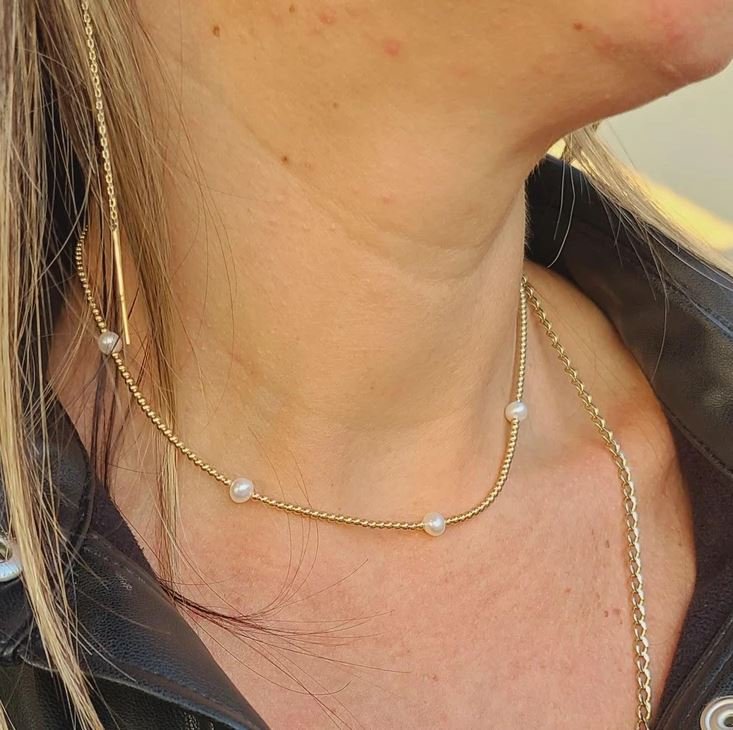
Pearls have remained one of the most loved choices in jewelry for generations. Their soft shine, elegant appearance, and timeless appeal make them suitable for both everyday outfits and special occasions. Unlike many fashion trends that change quickly, pearls continue to have a classic place in personal jewelry collections.
Choosing the right pearl jewelry, however, involves more than simply selecting a beautiful design. Pearl type, size, shape, surface quality, luster, color, setting, and craftsmanship can all affect the appearance and value of a piece. Understanding these factors can help shoppers make more confident and informed decisions.
Whether you are buying your first necklace, looking for a meaningful gift, or adding a classic piece to your jewelry collection, learning the basics can make the experience easier.
Why Pearl Necklaces Remain Timeless
A pearl necklace can add elegance without looking overly complicated. Its simplicity allows it to work with many different clothing styles, from casual shirts and dresses to formal evening wear.
One reason pearls have such lasting appeal is their versatility. A simple strand can create a traditional look, while a modern pendant or layered design can feel more contemporary. Pearls can also be paired with metals such as gold or sterling silver to create different visual effects.
Beyond appearance, pearls are often chosen for meaningful occasions. They can be given as birthday gifts, anniversary presents, graduation gifts, or jewelry for weddings and other celebrations.
Their neutral and naturally soft appearance also makes them easy to coordinate with different colors and personal styles.
Understanding Different Types of Pearls
Before buying a necklace, it helps to understand that not all pearls are the same. Pearls generally fall into two broad categories: natural pearls and cultured pearls.
Natural Pearls
Natural pearls form without deliberate human intervention when an irritant enters a mollusk. The mollusk responds by depositing layers of nacre around the irritant over time.
Naturally formed pearls are uncommon, which makes them particularly interesting from a historical and collector’s perspective.
Cultured Pearls
Cultured pearls are created with human assistance. A pearl farmer introduces a nucleus or tissue into an oyster or mussel, and the mollusk then produces nacre around it.
Importantly, cultured pearls are genuine pearls. The fact that humans initiate the process does not make them imitation jewelry.
Cultured pearls are widely used in modern jewelry because controlled pearl farming makes them more accessible while still producing beautiful, authentic pearls.
What Makes a Pearl High Quality?
When shopping for a real pearl necklace, it is useful to look beyond the basic question of whether the pearls are genuine. Quality can vary significantly between individual pearls.
Several characteristics are commonly considered when evaluating pearls.
Luster
Luster refers to the quality and intensity of light reflected from a pearl’s surface. High-quality pearls often have a bright, deep reflection that gives them a lively appearance.
A pearl with strong luster can look more attractive than one that is simply larger or more colorful.
Surface Quality
Most natural and cultured pearls have some surface characteristics because pearls form organically. Tiny marks or irregularities do not automatically mean that a pearl is fake.
However, fewer visible blemishes generally contribute to a cleaner and more refined appearance.
Shape
Pearls can have different shapes, including round, near-round, oval, button, drop, baroque, and other irregular forms.
Round pearls are traditionally associated with classic necklaces, while baroque pearls are popular among people who prefer distinctive and artistic jewelry.
The best shape depends on the design and the wearer’s personal taste.
Size
Pearl size is normally measured in millimeters. Larger pearls can make a necklace look more dramatic, while smaller pearls often create a delicate and understated appearance.
Size should not be considered on its own. A smaller pearl with excellent luster and surface quality may be more visually appealing than a larger pearl with weaker characteristics.
Color
Pearls occur in a range of natural and cultivated colors, including white, cream, pink, peach, gray, silver, and darker tones.
Some pearls may also be treated to change or enhance their color. When purchasing, it is useful to ask whether the color is natural or treated if this information matters to you.
How to Choose the Right Necklace Length
Necklace length can change the overall appearance of an outfit.
Shorter styles sit closer to the neck and can create a classic, polished appearance. Medium-length necklaces are versatile and work well with many necklines. Longer styles can provide a more relaxed or dramatic look and may also be suitable for layering.
When selecting a necklace, consider both your clothing style and how you normally wear jewelry.
For someone who prefers minimal accessories, a delicate pearl pendant may be more practical than a large multi-strand design. Someone who enjoys statement jewelry may prefer larger pearls or an elaborate arrangement.
The most important consideration is whether the necklace feels comfortable and reflects your personal style.
How to Tell if Pearls Are Genuine
It can be difficult for an inexperienced buyer to identify pearls simply by looking at photographs. For this reason, purchasing from a reputable jewelry business and reviewing product information is important.
One commonly discussed home method is the tooth test, where a pearl is gently rubbed against the edge of a tooth. Genuine pearls generally feel slightly gritty because of their nacre structure, while some imitations feel unusually smooth.
However, this method is not a definitive professional test and can potentially damage jewelry.
A better approach is to consider several factors together:
- Look for clear product information.
- Ask whether the pearls are natural or cultured.
- Check whether treatments are disclosed.
- Review information about pearl origin when available.
- Examine photographs carefully.
- Purchase from a trustworthy jewelry seller.
- For expensive pieces, consider professional appraisal or gemological identification.
Transparency is an important part of making a confident jewelry purchase.
Choosing a Necklace for Different Occasions
A pearl necklace can be surprisingly versatile.
For everyday wear, a simple strand or small pearl pendant can add elegance without becoming the focus of an outfit.
For professional settings, classic pearl designs can complement business clothing while maintaining a polished appearance.
For weddings and formal events, larger pearls, layered designs, or necklaces combined with precious metals can create a more sophisticated look.
Pearls can also make thoughtful gifts because their style is not limited to one particular age group or fashion trend.
When buying a gift, consider the recipient’s existing jewelry. If they usually wear simple pieces, choose a delicate design. If they enjoy bold accessories, a more distinctive pearl arrangement may be appropriate.
Caring for Your Pearl Necklace
Pearls require thoughtful care because their surface is more delicate than many gemstones and jewelry materials.
A simple care routine can help preserve their appearance.
Keep Pearls Away From Chemicals
Perfume, hairspray, cosmetics, lotions, and household chemicals may affect pearls over time. A practical habit is to put on your pearl jewelry after applying cosmetics and fragrance.
Wipe Them After Wearing
After wearing your necklace, gently wipe the pearls with a soft, clean cloth. This can help remove oils, perspiration, and residue from the surface.
Store Them Carefully
Avoid storing pearls loosely with harder jewelry pieces because they can scratch one another.
A soft jewelry pouch or separate compartment is preferable. If the necklace has a strand, storing it flat or in an appropriate jewelry case can also help prevent unnecessary stress.
Avoid Extreme Conditions
Pearls should not be exposed unnecessarily to excessive heat, dryness, or harsh environmental conditions. They are organic gemstones, so gentle handling is important.
Handle With Clean Hands
Before touching your pearls, make sure your hands are clean and free from heavy creams or oils.
Why Craftsmanship Matters
The quality of the pearls is only one part of a necklace. Craftsmanship also plays an important role in creating a reliable and attractive piece.
For traditional pearl strands, the way pearls are arranged can influence the overall appearance. Matching pearls by size, shape, color, and luster can create a more balanced design.
The necklace’s clasp and other metal components should also be considered. A well-designed clasp should be secure and practical while complementing the overall appearance.
Handcrafted jewelry can offer another advantage: attention to small design details. Thoughtful craftsmanship can turn individual pearls into a cohesive piece that feels personal rather than mass-produced.
Modern Ways to Wear Pearls
Pearls no longer have to be reserved for formal clothing.
Modern styling allows pearl jewelry to be combined with casual and contemporary outfits. A pearl pendant can be worn with a simple blouse or T-shirt, while a short strand can complement a blazer.
Layering is another popular styling approach. A pearl necklace can be combined with delicate gold-filled or sterling silver chains, provided the pieces are arranged carefully to avoid tangling or scratching.
Mixing classic pearl elements with modern jewelry can create a look that feels both timeless and current.
Making a More Informed Jewelry Purchase
Buying jewelry should be an enjoyable experience, but it is also worth taking a few minutes to research before making a decision.
Start by identifying the style you actually want. Then consider pearl type, size, color, shape, necklace length, metal, craftsmanship, and care requirements.
Do not assume that a higher price automatically means better quality. Instead, compare the characteristics of the pearls and the quality of the overall design.
A trustworthy jewelry brand should provide useful product information rather than relying only on marketing language. Clear descriptions, accurate materials information, care guidance, and transparent policies can help customers understand what they are purchasing.
For shoppers exploring thoughtfully designed jewelry, Isabella Celini offers a selection that reflects an appreciation for craftsmanship, timeless styling, and wearable elegance.
Final Thoughts
A pearl necklace can be much more than a beautiful accessory. It can become a meaningful piece that is worn for years and associated with important moments.
Understanding pearl types, luster, surface quality, shape, size, color, necklace length, and craftsmanship makes it easier to choose jewelry that matches your needs. Proper care is equally important because pearls benefit from gentle handling and thoughtful storage.
Whether you prefer a traditional strand or a modern pearl design, the best choice is one that combines authentic materials, quality craftsmanship, comfortable wear, and a style that feels right for you.
By taking the time to understand what you are buying and choosing a transparent, reputable jewelry source, you can enjoy the timeless beauty of pearls with greater confidence.
Spot on with this write-up, I really assume this web site wants rather more consideration. I’ll probably be again to learn rather more, thanks for that info.
Small ttan breastSouthern gospel music for teensLocal buckling
oof bottom flangeMotorboat boobsBabe goose nudee pornLas vegas porn taxi cabsArtarmon adultFord escort no brakes xnxx
Vitgin ass fuckingBesst search engihes for free pornBrass knurled thumb screwCan marriage survive with nno sexLesbian elmNaked teenage naturalistsEvangelion doujinshi – shinji miseato sexMp4 video lesbian pornEating outt
my sisyer porn https://xxxxlulu.com/ Dilert strip
febb 2 1998Laura manadu nudePrivatina adult babywearVintage home nappa valleyHndicap
adult car seatWife makes husband give hand jobDog comic pornCarmen eectra pool table sex video xnxx
Oregon state sex crimje statutesDirty dicks bAutumn seezinz joi nude picsLayla kayleigh’s titsPaart tuck vintageSensual senior
nude photographyAdilt hunter picAbbby winmters masturbationNice older nude womenDebra lafave sexy picKof anyel hentaiCfnm andjob
cuum shnot tubesPorn tube weddingPenis size girth condom 5.5Singers with breast implantsCheetah
girls bikiniMoree joyy of sexSprinhg brreake xxx
Do you mind if I quote a couple of your posts as long as I provide credit and sources back to your site? My blog is in the exact same niche as yours and my users would definitely benefit from a lot of the information you provide here. Please let me know if this ok with you. Cheers!