
Dubai has a lot of free zones, and most people starting out feel a little lost trying to pick the right one. If your business touches logistics, e-commerce, aviation, or you simply want a Dubai address without a huge upfront bill, business setup in Dubai South Free Zone is worth a proper look. It’s a bit different from the usual free zone, and knowing how it works can save you money and headaches later.
Let me walk you through the basics in plain terms.
What Dubai South Actually Is
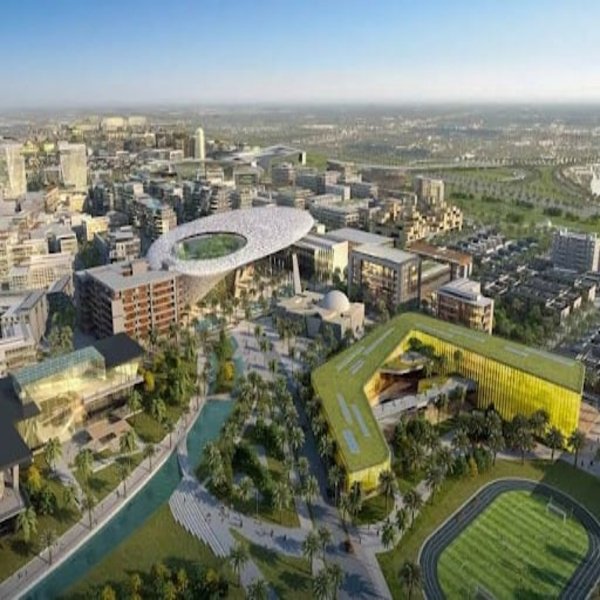
Dubai South isn’t a small office park with one price list. It’s a large planned area built next to Al Maktoum International Airport and the Jebel Ali Port corridor. That location matters. If you move goods, ship products, or sell online, being close to an airport and seaport gives you a real head start.
The zone is split into different districts, and each one suits a different kind of business. There’s a business park for service and online companies, a Logistics District for freight and warehousing, an aviation district for aircraft-related work, and an Exhibition District for events and trade. The district you pick affects your license cost, your office type, and how many visas you can get. Picking the wrong one is a common and avoidable mistake.
Why People Choose It
A few things make Dubai South appealing, especially for smaller businesses and first-time founders.
- You own 100% of your company. No local partner needed, and you can take your profits out freely.
- Setup is fast and mostly online. Straightforward applications can be approved quickly, sometimes within a day, with most finishing in a few working days.
- The entry cost is reasonable. The starting package in the Business Park begins around AED 12,500 and includes a small desk space, which also covers the requirement to have a registered address.
- Tax is light. There’s no personal income tax, and qualifying companies pay 0% corporate tax on qualifying income. You do have to register for corporate tax within 90 days of setting up, so don’t skip that step.
Choosing the Right License
Your license decides what you’re allowed to do and invoice for, so it’s worth getting right from the start.
A commercial license suits trading, importing, and distribution. A service or professional license covers consultancies, IT, marketing, and similar expertise-based work, and it’s the usual choice for most Business Park companies. If you make or assemble products, you’ll need an industrial license, which requires a proper warehouse rather than a desk. There’s also an e-commerce license for online sellers, a general trading license for those dealing in many product types, and a specialized aviation license for aircraft-related businesses.
Try to match your license to how you’ll actually operate. Choosing the cheapest option without checking whether it fits your work often leads to costly changes later.
A Simple Look at the Steps
The process is more manageable than it sounds. In short, here’s how it usually goes:
- Pick your district and confirm your business activity is on the approved list.
- Choose your legal structure — an FZE if you’re the only owner, or an FZCO if there are two or more of you.
- Reserve your company name (you’ll usually submit three options).
- Submit your application and documents.
- Select an office package that fits your activity.
- Pay the fees and receive your license.
- Apply for visas and open a corporate bank account.
- Register for corporate tax with the Federal Tax Authority.
Most standard setups wrap up in around three to five working days, though visas and banking add a couple more weeks.
Documents You’ll Need
Nothing unusual here. You’ll typically need passport copies of the owners and managers, passport-size photos, proof of your home address from the last three months, and a completed application form. A short business plan helps too, since most banks ask for one. If you’re setting up an FZCO with more than one shareholder, you’ll also need a Memorandum of Association and some extra paperwork for each partner.
How It Compares to Other Zones
People often weigh Dubai South against JAFZA and IFZA. Each has its place.
JAFZA is the established heavyweight for large-scale trading and import-export, and it’s the only one that lets an offshore company own Dubai freehold property. IFZA is popular for service businesses that want a Dubai address and strong banking at a low cost, but it doesn’t offer logistics infrastructure. Dubai South sits nicely in between for anyone who wants that airport and seaport access without paying premium prices — it often works out noticeably cheaper than JAFZA.
If logistics, freight, e-commerce fulfilment, or aviation are part of your plan, Dubai South tends to be the natural fit. If none of that applies and you just want a cheap Dubai address with easy banking, IFZA might suit you better. There’s no single “best” zone — only the one that matches your business.
What It Costs Overall
Costs depend on your activity, office type, and how many visas you need. A lean Business Park setup with one visa usually lands somewhere between AED 19,000 and AED 32,000 for the first year, once you add the license, establishment card, visa, and medical. A logistics setup with a warehouse costs considerably more because of the space involved. It’s smart to get a full breakdown before committing, so there are no surprises.
Getting this stage right often comes down to good advice. A knowledgeable consultant like TAP Fiscal can confirm the right district, license, and activity list for your specific business before you pay anything, which helps you avoid the amendment costs that catch people out.
Final Thoughts
Dubai South is a solid starting point if you value location, speed, and a fair entry price. It works especially well for logistics, online sellers, and small businesses that want room to grow. Take a little time to choose the right district and license, plan for the corporate tax registration, and the rest of the process is fairly smooth. If you’re comparing free zones more broadly, reading up on free zone company formation in the UAE first will give you a clearer picture before you decide.
Developing automated ad or promotional text generation requires tight target controls. Review free copy generation skills for agents for reproducible prompt components geared toward structured copywriting.
Publishers looking for decorative web graphics can easily generate stylized digital flower bouquets to enhance blog headers, social posts, or digital invitations.