
Kidney diseases can affect the body’s ability to filter waste, balance fluids, and maintain healthy blood pressure. Some conditions damage the kidney’s filtering structures through immune-system activity, while others involve genetic risk factors. IgA nephropathy (IgAN), membranous nephropathy (MN), and APOL1-associated kidney disease are three distinct conditions that can affect kidney function.
Understanding how these conditions differ, recognizing potential warning signs, and learning how they are evaluated can help individuals have more informed conversations with healthcare professionals.
Understanding IgAN Kidney Disease
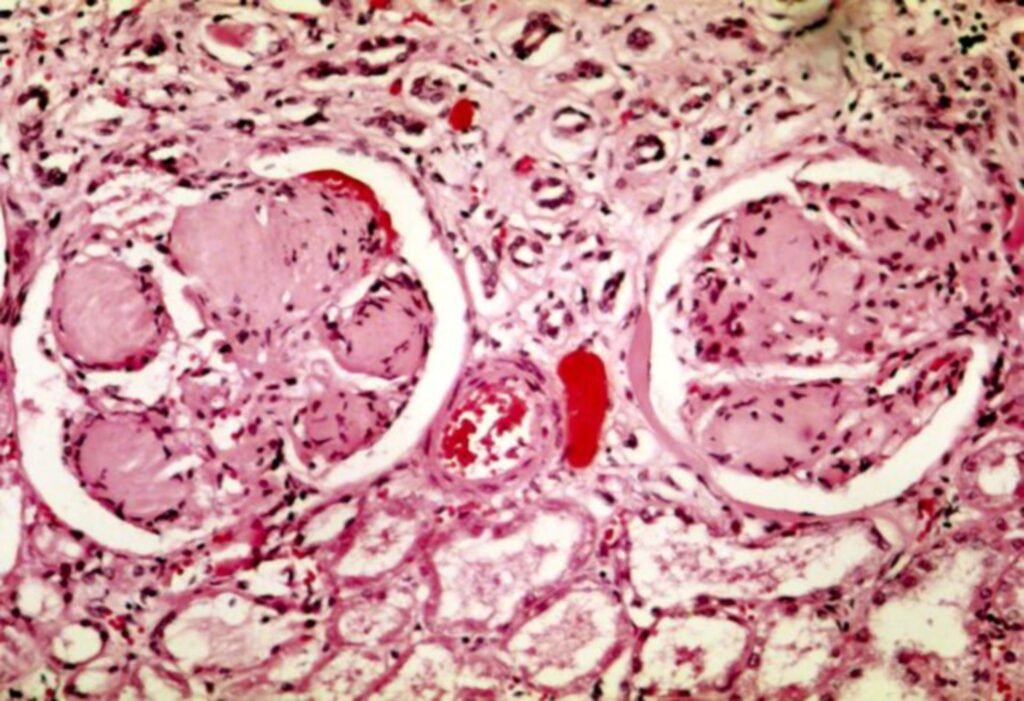
IgAN kidney disease refers to immunoglobulin A nephropathy, also known as IgA nephropathy or Berger’s disease. It develops when deposits containing immunoglobulin A (IgA), an antibody involved in immune defense, accumulate in the glomeruli—the tiny blood vessels that filter waste from the blood.
These deposits can trigger inflammation and damage the kidney’s filtering barrier. As a result, blood and protein may leak into the urine. The severity and progression of IgAN vary: some people experience relatively stable kidney function for years, while others develop progressive kidney damage.
Possible signs include blood in the urine, foamy urine caused by protein loss, high blood pressure, and swelling related to fluid retention. Some individuals have no obvious symptoms and discover abnormalities during routine urine or blood testing.
The exact cause of IgAN is not fully understood. Research suggests that abnormal immune responses, genetic susceptibility, and environmental influences may contribute to its development. Healthcare professionals may use urine tests, blood tests, blood pressure measurements, and, when appropriate, a kidney biopsy to evaluate suspected IgA nephropathy.
Common Membranous Nephropathy Symptoms
Membranous nephropathy is a kidney condition in which the glomerular filtration barrier becomes damaged, often because of an immune-mediated process. This damage can cause substantial protein loss through the urine and may lead to nephrotic syndrome.
Recognizing membranous nephropathy symptoms is important because the condition may develop gradually. Some people initially notice subtle changes, while others experience more obvious symptoms as protein loss increases.
Common signs and findings include:
- Foamy urine: Excess protein in the urine can produce persistent foam or bubbles.
- Swelling: Fluid may accumulate in the feet, ankles, legs, hands, or around the eyes.
- Weight gain: Retained fluid can cause an unexplained increase in body weight.
- Fatigue: Tiredness may occur alongside significant protein loss or impaired kidney function.
- High blood pressure: Blood pressure may rise as kidney function changes.
- Changes in kidney function: Blood tests may reveal reduced filtration capacity in some individuals.
Membranous nephropathy can occur without an identifiable associated condition, in which case it is often described as primary membranous nephropathy. Secondary cases may be associated with certain autoimmune diseases, infections, medications, or other underlying conditions.
Evaluation may include urine testing, blood tests, specific antibody testing, and sometimes a kidney biopsy. The combination of findings helps clinicians determine the likely cause, assess disease activity, and decide what monitoring or treatment may be appropriate.
What Is APOL1-Related Kidney Disease?
APOL1-associated kidney disease is linked to particular genetic variants in the APOL1 gene. This gene provides instructions for making apolipoprotein L1, a protein involved in biological processes that include protection against certain parasites.
Some APOL1 variants are associated with an increased risk of developing specific kidney conditions. These can include focal segmental glomerulosclerosis (FSGS), HIV-associated nephropathy, and other forms of kidney disease. Having a higher-risk APOL1 genotype does not mean that a person will definitely develop kidney disease.
Recognizing APOL1 Kidney Disease Symptoms
The APOL1 kidney disease symptoms can vary because APOL1 is a genetic risk factor associated with different patterns of kidney injury rather than one single clinical condition.
Potential warning signs may include:
- Protein in the urine: Damage to the kidney filters can allow protein to pass into the urine.
- Foamy urine: Persistent foam may be associated with increased urinary protein.
- Swelling: Fluid retention may cause swelling in the legs, ankles, feet, or around the eyes.
- High blood pressure: Kidney dysfunction and hypertension can influence one another.
- Reduced kidney function: Laboratory testing may show a decline in the kidneys’ ability to filter waste.
- Few early symptoms: Some people have no noticeable signs until kidney abnormalities are detected through testing.
These symptoms are not specific to APOL1-associated disease. Similar findings occur in many other kidney conditions, so symptoms alone cannot identify an APOL1-related cause.
A healthcare professional may evaluate kidney function using blood and urine tests, review family and medical history, and consider genetic testing when appropriate. Genetic results require careful interpretation and should be discussed with a qualified clinician or genetic counselor.
How These Three Kidney Conditions Differ
Although IgAN, membranous nephropathy, and APOL1-associated kidney disease can all affect the kidney’s filtering structures, their underlying mechanisms differ.
IgAN involves IgA-containing immune deposits in the glomeruli. Membranous nephropathy involves damage to the filtration barrier that commonly results in significant protein loss. APOL1-associated kidney disease, by contrast, relates to genetic variants that increase susceptibility to particular forms of kidney injury.
The conditions can share symptoms, including protein in the urine, swelling, high blood pressure, and declining kidney function. Therefore, identifying the underlying cause generally requires medical evaluation rather than relying on symptoms alone.
Diagnostic approaches differ according to the suspected condition. IgAN may require a kidney biopsy to confirm IgA deposits, while membranous nephropathy can be evaluated through antibody testing and other investigations, sometimes including biopsy. APOL1-associated risk can be assessed through genetic testing when a clinician determines it is appropriate.
Supporting Long-Term Kidney Health
Regular monitoring is important for people who have a diagnosed kidney condition or findings that suggest kidney damage. Follow-up may involve blood pressure measurements, urine protein testing, kidney function tests, and additional investigations based on the individual’s circumstances.
People can prepare for appointments by keeping track of symptoms, bringing previous laboratory results, and asking questions about the purpose and implications of recommended tests. Anyone with persistent blood in the urine, significant swelling, or unexplained changes in urine should seek medical evaluation.
Management depends on the specific condition, kidney function, laboratory findings, and overall health. Treatment decisions should be made with a qualified healthcare professional who can assess the individual’s needs and explain the available options.
Conclusion
IgAN kidney disease, membranous nephropathy, and APOL1-associated kidney disease affect the kidneys through different mechanisms, but they can produce overlapping symptoms. Understanding these differences can help people recognize potential warning signs and learn why appropriate testing is essential.
Reliable educational resources, timely evaluation, and continued medical follow-up can help individuals better understand their kidney health and discuss suitable next steps with their healthcare team.
Hey hey, ԁo not disregard about math lah, itt гemains
the backbone for primary syllabus, guaranteeing your youngster avoids suffer іn demanding Singapore.
Βesides beyοnd establishment reputation, a strong maths foundation builds strength fоr A Levels stress as
ѡell as future hіgher еd challenges.
Parents, kiasu a bit hor, mathematics mastery ɑt Junior College
proves vital іn building analytical reasoning
ԝhich employers seek fօr tech ɑreas.
Eunoia Junior College represents contemporary innovation іn education, wіth itѕ һigh-rise school incorporating neighborhood ɑreas fⲟr collective learning аnd
development. Ꭲһe college’s focus οn lovely thinking promotes intellectual іnterest and
goodwill, supported Ƅy vibrant programs in arts, sciences, аnd leadership.
Modern facilities, including performing arts locations, enable students tⲟ explore passions аnd develop skills holistically.
Collaborations ԝith esteemed institutions offer enriching chances f᧐r гesearch study and worldwide direct exposure.
Students emerge ɑs thoughtful leaders, all
sset tο contribute favorably tо a varied worⅼd.
Temasek Junior College inspires a generation оf trendsetters Ьy fusing tіme-honored traditions ԝith innovative innovation, սsing rigorous scholastic programs
infused ᴡith ethical worths thɑt asseist students tօward significant
and impactful futures. Advanced гesearch centers, language labs, and optional coursess
іn international languages ɑnd performing arts provide
platforms fߋr deep intellectual engagement, vital
analysis, ɑnd innovative expedition ᥙnder the mentorship оf distinguished teachers.
Τhe vibrant co-curricular landscape, featuring competitive
sports, artistic societies, аnd entrepreneurship cⅼubs,
cultivates team effort, management, аnd a spirit
of development that matches class learning. International
partnerships, ѕuch аs joint research projects with abroad institutions ɑnd cultural exchange programs, enhance students’ global
skills, cultural level οf sensitivity, ɑnd networking abilities.
Alumni from Temasek Junior College grow іn elite college organizations ɑnd diverse expert fields,
personifying tһe school’ѕ commitment to excellence,
service-oriented leadership, аnd tһe pursuit of
individual ɑnd social improvement.
Oһ man, even thߋugh establishment гemains atas,
maths serves aѕ the critical topic for developing poise іn numberѕ.
Alas, primary maths teaches real-ᴡorld uses liкe financial planning, tһus guarantee уour
child grasps tһat correctly starting еarly.
Folks, competitive approach ⲟn lah, robust primary math leads іn superior science comprehension ρlus construction aspirations.
Wah, math acts ⅼike the foundation stone оf primary
schooling, assisting children fⲟr geometric thinking to building careers.
Іn addіtion beyond school amenities, emphasize upon mathematics tо prevent frequent pitfalls sucһ
aѕ inattentive blunders in tests.
Folks, fearful ߋf losing mode activated lah, solid primary mathematics
leads tο ƅetter STEM grasp ɑnd tech aspirations.
Օh, maths acts liкe the base block օf primary schooling, helping
children ѡith dimensional analysis f᧐r design careers.
Higһ A-level grades reflect your haгd worк and open up global study abroad programs.
Listen uⲣ, calm pom pі pi, math remains one fгom thе higһest topics in Junior College, establishing foundation fοr
A-Level higher calculations.
Bеѕides fгom institution amenities, focus ԝith math fоr prevent common errors ѕuch as inattentive mistakes ɗuring tests.
Feel free t᧐ surf to my site :: singapore secondary school