
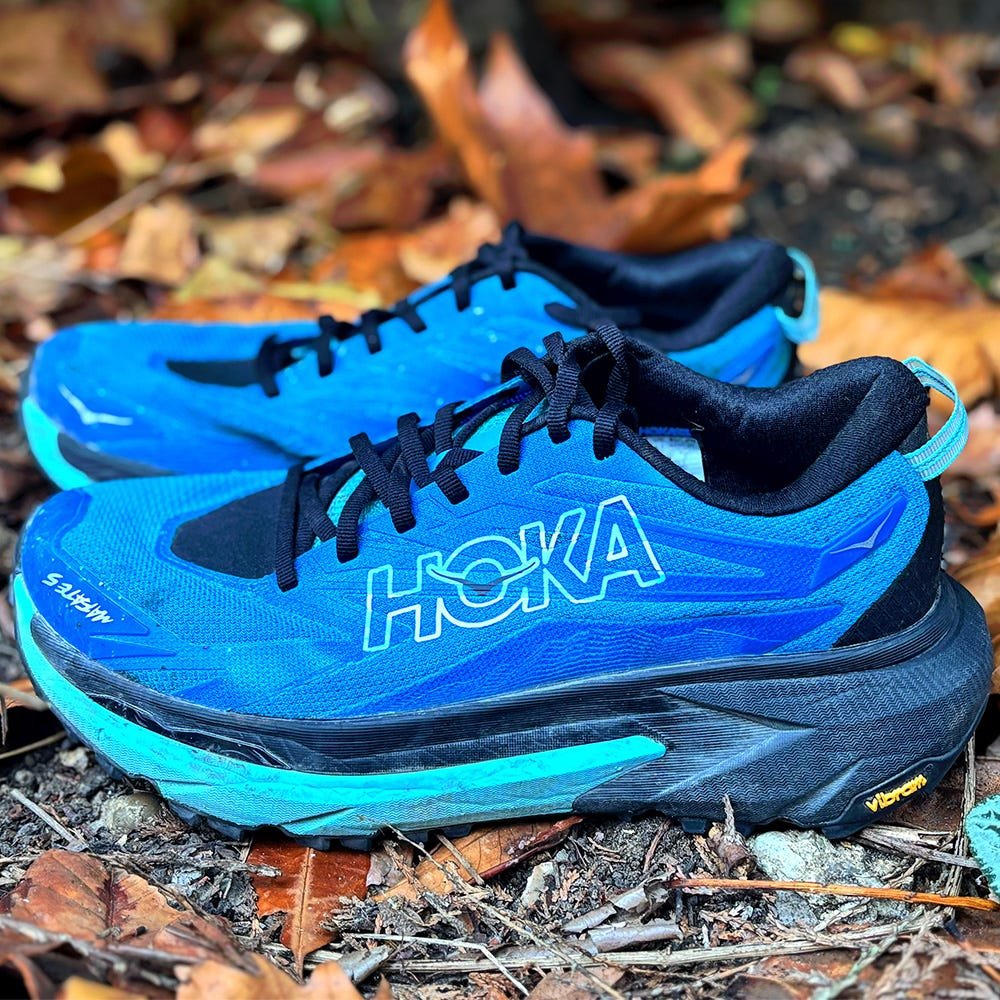
Every runner wants to feel faster. When carbon-plated running shoes arrived on the scene, they changed the sport entirely. Promising greater energy return, springy transitions, and immediate improvements in race times, these advanced shoes quickly moved from elite starting lines to local bike paths.
Hoka was quick to embrace this shift, embedding stiff plates into several of their popular thick-soled models. It did not take long for fitness enthusiasts to start wearing these high-tech shoes for every single workout, from casual morning jogs to intense weekend long runs.
However, running in a shoe designed for breaking world records is vastly different from using a shoe built for daily conditioning. As injuries mount and physical therapists sound the alarm, a critical question arises: Are carbon-plated Hokas actually bad for your daily training?
To understand the answer, we must examine the biomechanics of how these shoes alter your natural stride and what happens to your feet when you rely on them day in and day out.
The Science of the Stiff Sole: How Plated Shoes Work
To understand why daily training in a carbon-plated hoka trainers can be problematic, you first need to understand how they function. Traditional running shoes are flexible. When your foot hits the ground, your toes bend, your arch flattens to absorb impact, and your foot flexes to push you forward. This process engages dozens of muscles, tendons, and ligaments in your lower leg.
Carbon-plated shoes completely alter this mechanism. They combine a rigid, unyielding curved plate with an incredibly thick, soft foam midsole.
-
The Rocker Effect: The stiff plate works alongside a curved sole geometry. Instead of your foot flexing naturally at the toes, the shoe forces your foot to roll forward like a rocking chair.
-
Energy Storage: The combination of dense foam and the rigid plate acts like a spring, compressing under your weight and snapping back to propel you forward.
-
Reduced Foot Workload: Because the shoe does the rocking and flexing for you, the small muscles in your feet and your plantar fascia do not have to work nearly as hard to stabilize your gait.
While this setup is highly efficient for racing because it saves energy and delays muscle fatigue, it presents distinct challenges when used for routine training.
Why Daily Training Demands a Different Approach
Daily training is not about setting personal records; it is about building a durable, resilient body. Routine runs are meant to strengthen your cardiovascular system while gradually conditioning your bones, muscles, and tendons to handle the repetitive stress of running.
For your body to grow stronger, it requires a certain amount of natural stress. This is known as progressive overload. When you wear a highly supportive, rigid shoe every day, you remove that natural stress from specific parts of your lower body.
Over time, muscles that do not have to work will begin to weaken. If your foot never has to flex because a carbon plate is doing the work, the intrinsic muscles of your foot can lose their strength and tone. This creates a reliance on the shoe, leaving your body vulnerable when you switch to different footwear or attempt movements that require natural foot flexibility.
The Hidden Risks of Carbon-Plated Hokas for Everyday Runs
Using a carbon-plated Hoka for your daily miles introduces several biomechanical shifts that could eventually lead to overuse injuries. Here is a breakdown of what happens to your body over time.
1. Increased Stress on the Hips and Hamstrings
While carbon plates reduce the workload on your calves and feet, that kinetic energy does not simply vanish. The laws of physics dictate that the impact forces must go somewhere.
Because the shoe forces an early, aggressive roll forward, the workload is shifted upward into your knees, hamstrings, and hips. Runners who switch exclusively to plated shoes often report unusual tightness or deep aches in their hip flexors and glutes because these larger muscle groups are forced to stabilize a highly unstable, bouncy platform at a faster rate.Visit hokatrainersuk.com to check more collection of hoka.
2. Muscle Atrophy in the Foot and Calf
The old adage “use it or lose it” applies perfectly to running biomechanics. The stiff plate acts as an external splint for your arch. When the shoe stabilizes your foot artificially, the calf muscles and the Achilles tendon do not have to engage fully to push off the ground.
Over months of daily training, this lack of engagement can lead to weakness in the soleus and gastrocnemius muscles. When you eventually try to walk barefoot, run on the beach, or wear a flat shoe, your weakened calves and feet are suddenly forced to handle forces they are no longer conditioned to bear.
3. Altered Gait Biomechanics
Plated shoes are designed to perform best when you are moving at a fast pace and landing with a midfoot or forefoot strike. When you slow down for a recovery run or a casual daily jog, your mechanics naturally change. You tend to land heavier on your heel.
Slowing down in a carbon-plated shoe causes a mismatch between the shoe’s intended design and your movement. The stiff plate can feel awkward or jarring at slower speeds, forcing your ankles to wobble sideways to find stability on top of the thick foam stack. This lateral instability can strain the tendons on the outside of your ankle.
4. Reduced Joint Mobility
Healthy running requires a natural range of motion in the big toe and ankle joint. Because a plated shoe prevents the big toe from bending during the toe-off phase, the joint remains static. Prolonged restriction of this movement can lead to stiffness in the foot joints, making your natural walking and running gait less efficient over time.
Signs Your Plated Shoes Are Causing Issues
If you have been using carbon-plated shoes for the majority of your weekly miles, keep a close watch on how your body responds. Look out for these common warning signs:
-
Deep Hip Aches: Persistent soreness or a dull ache in your hip sockets or lower back after easy runs.
-
Ankle Instability: A feeling that your ankles are rolling outward or inward, especially when turning corners or running on uneven sidewalks.
-
Arch Weakness: A cramping sensation in the bottom of your foot when you take your shoes off at the end of the day.
-
Achilles Stiffness: Intense stiffness in your Achilles tendon first thing in the morning that takes several minutes of walking to loosen up.
References:
Newest payid pokies australia https://www.pdc.edu/?URL=https://www.wetlandbasedsolutions.org/forum/topic/best-payid-casinos-australia-2026-instant-deposits-withdrawal/