
Introduction
Modern turbine facilities rely heavily on advanced communication networks to ensure efficient and uninterrupted operations. From monitoring turbine performance to controlling critical processes in real time, industrial communication systems are essential in today’s power generation industry. As turbine automation continues to evolve, fiber-enabled Ethernet switching has become a key technology for maintaining secure, fast, and reliable data transmission across complex control environments.
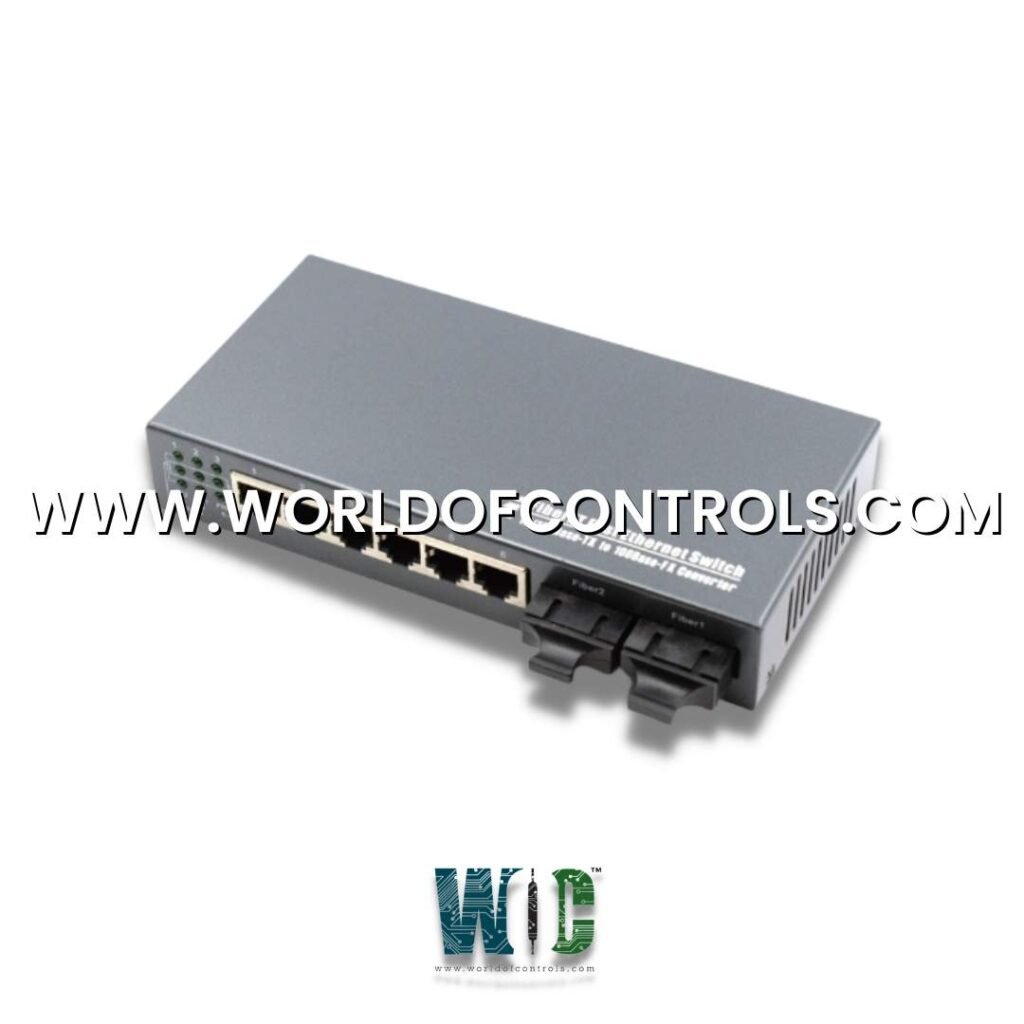
Industrial Ethernet switches designed for turbine applications help connect controllers, monitoring systems, Human Machine Interfaces (HMIs), and field devices into a unified communication network. Their ability to support fiber-optic connectivity makes them particularly valuable in harsh industrial environments where reliability and signal integrity are critical.
The Role of Ethernet Switching in Turbine Control Systems
Turbine control systems depend on constant communication between multiple devices and subsystems. These include sensors, protection systems, distributed control systems (DCS), and operational monitoring platforms. Any disruption in communication can affect plant performance, safety, and productivity.
Industrial Ethernet switches act as the central communication hub within these networks. They efficiently manage the transfer of data between connected devices, ensuring that information reaches the correct destination quickly and securely. Unlike standard commercial switches, industrial-grade Ethernet switches are specifically engineered to withstand demanding operating conditions commonly found in turbine and power plant environments.
These switches are designed to operate continuously under high temperatures, electrical noise, vibration, and other industrial challenges while maintaining network stability.
Why Fiber Connectivity is Important
Fiber-optic communication has become increasingly important in turbine control environments due to its superior performance and reliability. Traditional copper-based connections are more susceptible to electromagnetic interference caused by heavy electrical equipment and high-voltage systems within power plants.
Fiber-enabled Ethernet switching offers several important advantages:
Enhanced Reliability
Fiber-optic networks provide stable and uninterrupted communication even in electrically noisy industrial settings. This improves overall network performance and reduces the likelihood of communication failures.
Faster Data Transmission
Modern turbine systems generate large volumes of operational and diagnostic data. Fiber connectivity supports high-speed data transfer, enabling real-time monitoring and faster system response times.
Long-Distance Communication
Power plants often require communication between control rooms and equipment located across large facilities. Fiber-optic technology enables reliable long-distance communication without significant signal loss.
Greater Network Security
Fiber-optic cables are more resistant to unauthorized access and signal interference, improving the security of critical turbine communication systems.
Industrial Ethernet Switching in Turbine Applications
In turbine control environments, industrial Ethernet switches are commonly integrated into automation networks to support efficient plant operations. These switches help connect various systems involved in turbine control, condition monitoring, safety protection, and data analysis.
Fiber-enabled switches are particularly useful in applications where high availability and operational continuity are essential. They support reliable communication between control cabinets, supervisory systems, and remote field devices while minimizing network downtime.
Their rugged industrial design also allows them to perform consistently in harsh operating conditions, making them suitable for continuous use in gas turbines, steam turbines, and combined-cycle power plants.
Benefits for Modern Power Plants
The use of industrial Ethernet switching technology provides several operational benefits for turbine facilities.
Improved Operational Efficiency
Reliable communication networks help ensure smooth coordination between control systems and plant equipment, improving overall turbine performance.
Reduced Downtime
Stable and secure network infrastructure minimizes communication failures that could lead to unexpected shutdowns or operational interruptions.
Better Monitoring and Diagnostics
Real-time data transmission enables operators and maintenance teams to monitor turbine conditions continuously and respond quickly to potential issues.
Support for Digital Modernization
As power plants adopt advanced automation, predictive maintenance, and remote monitoring technologies, fiber-enabled industrial networking provides the foundation for digital transformation initiatives.
Conclusion
Fiber-enabled Ethernet switching has become an essential component of modern turbine control environments. By providing high-speed, reliable, and interference-resistant communication, industrial Ethernet switches help support safe and efficient turbine operations.
As the turbine industry continues to embrace automation and smart monitoring technologies, robust industrial networking solutions will remain critical for maintaining operational reliability and long-term performance. Fiber-based communication infrastructure not only improves current plant operations but also prepares turbine facilities for future technological advancements.