
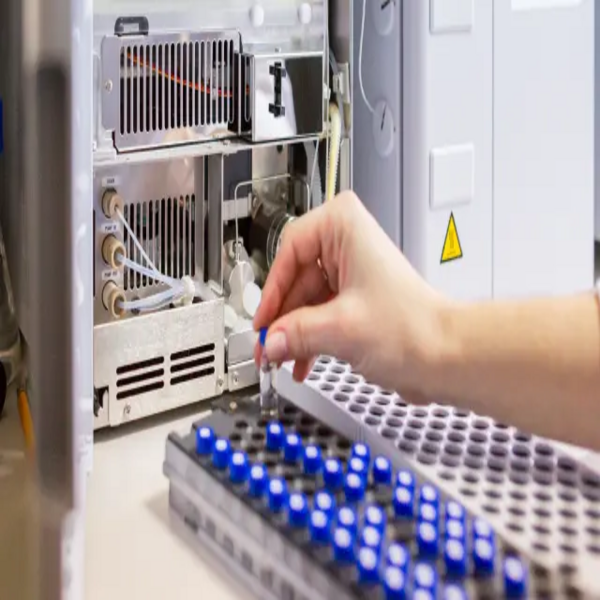
Modern drug discovery relies on precise analytical frameworks to quantify candidate molecules within complex biological systems. Pharmaceutical organizations utilize tandem mass spectrometry coupled with liquid chromatography to achieve excellent compound separation and identification. Developing these robust testing protocols requires a deep understanding of molecular chemistry and rigorous validation boundaries. Specialized research centers provide the necessary infrastructure to conduct these technical evaluations in accordance with strict international quality guidelines. Utilizing these advanced methodologies ensures that critical pharmacokinetic data packages satisfy the stringent review requirements of global regulatory authorities.
Fundamentals of Tandem Mass Spectrometry Separations
Tandem mass identification platforms offer exceptional sensitivity when tracking trace compounds across diverse biological matrices. Liquid chromatography instruments first separate complex sample mixtures based on how individual analytes interact with the column chemistry. The separated molecules enter an ionization source, where they become charged gas-phase particles. This advanced process allows researchers to isolate a specific parent mass from background plasma matrix components.
A high-performance system fragments these isolated precursor ions to generate reproducible product-ion spectra for quantification.
- Electrospray ionization applies high voltage to fluid streams to generate fine droplets for mass spectrometry.
- Quadrupole mass filters establish distinct electromagnetic fields to isolate target compounds based on their mass-to-charge ratios.
- Collision cells use inert gases to predictably fragment parent molecules into structural identity fragments.
- Electron multipliers record the final impact of product ions, generating measurable electronic signals. Optimizing these individual system parameters prevents signal loss and ensures exceptional sensitivity during sample runs.
Careful optimization of these parameters ensures high sensitivity and minimal signal loss.
Key Considerations for Method Development Projects
Developing a new LC-MS/MS method Validation requires systematic optimization of chemical and physical conditions before clinical application. Scientists refine mobile phases, solvent ratios, and extraction techniques to improve separation efficiency and reduce matrix interference. These steps establish a stable foundation for reproducible analytical performance.
Common development considerations include:
- Mobile phase optimization improves chromatographic resolution and peak separation.
- Selecting an extraction method removes proteins and reduces ion suppression effects.
- Gradient tuning enhances the separation of co-eluting metabolites.
- Matrix mitigation strategies improve detection consistency across sample types.
Many organizations outsource this stage to specialized bioanalytical providers with advanced instrumentation and expertise in method optimization.
Execution of Rigorous Assay Validation Frameworks
Once developed, LC-MS/MS methods must undergo full validation in accordance with regulatory guidelines to confirm their suitability for clinical use. Laboratories perform multi-day precision, accuracy, and robustness testing using quality control samples across concentration ranges. This ensures consistent performance across operators, instruments, and study days.
Key validation parameters include:
- Lower limit of quantification (LLOQ) defines the smallest reliably measurable concentration.
- Calibration curve linearity ensures proportional response across concentration ranges.
- Selectivity testing confirms the absence of interference from endogenous matrix components.
- Carryover assessment verifies the absence of contamination between sequential samples.
Meeting these criteria ensures analytical reliability, regulatory compliance, and robustness of final datasets.
Must Read: Reducing False Positives in Cell Toxicity Assay Experiments
Stability Tracking and Quality Control Matrices
Maintaining analyte integrity throughout a study is essential for accurate bioanalytical results. Laboratories conduct detailed stability studies to evaluate how environmental conditions influence sample concentration and define validated handling windows for clinical sites during patient trials.
Quality control programs help prevent degradation that could compromise data integrity:
- Benchtop stability testing assesses analyte preservation during room-temperature extraction and processing.
- Freeze–thaw studies evaluate structural integrity after repeated freezing and thawing cycles.
- Long-term storage analysis monitors stability under ultra-low temperature conditions over extended periods.
- Processed sample stability determines how long analytes remain stable in autosampler trays.
Defining these limits ensures reliable handling of clinical specimens and protects the integrity of trial datasets.
Application in Clinical Trial Sample Analysis
Once validated, these analytical methods support large-scale processing of human clinical trial samples. Laboratories use automated liquid-handling systems to process hundreds of plasma specimens daily, enabling consistent monitoring of drug concentrations across patient dosing groups. This high-throughput capability supports accurate pharmacokinetic profiling and helps define safe and effective dosing ranges.
Biopharma sponsors often rely on specialized contract research organizations for clinical sample analysis:
- Chain-of-custody systems ensure full traceability for every incoming patient sample.
- Automated data integration tools transfer raw analytical outputs directly into secure databases.
- Quality assurance teams audit final reports for protocol compliance and data integrity.
- Biostatistical analysis derives key parameters such as half-life, exposure, and peak concentration.
Using certified bioanalysis services ensures that clinical data remain secure, traceable, and regulatory-compliant.
Conclusion
Professional Bioanalytical Lab Services deliver the foundational method development and validation metrics required for successful therapeutic advancement. Implementing optimized tandem mass spectrometry workflows enables the precise tracking of novel drug molecules within complex biological matrices. Rigorous validation parameters guarantee assay sensitivity, accuracy, and sample stability across all phases of clinical evaluation. These specialized analytical solutions directly answer how developers generate high-quality, compliant data to support regulatory approvals. Using these robust testing frameworks remains essential to safely advance promising therapeutic candidates into global healthcare markets.
I have been checking out many of your articles and i can claim pretty nice stuff. I will definitely bookmark your blog.
You should take part in a contest for one of the best blogs on the web. I will recommend this site!
Wonderful blog! I found it while surfing around on Yahoo News. Do you have any tips on how to get listed in Yahoo News? I’ve been trying for a while but I never seem to get there! Thank you
Thanks for another magnificent post. Where else could anybody get that kind of info in such an ideal way of writing? I have a presentation subsequent week, and I’m at the search for such info.
WONDERFUL Post.thanks for share..extra wait .. …
I adore studying and I conceive this website got some genuinely useful stuff on it! .
Of course, what a great site and enlightening posts, I will bookmark your blog.Have an awsome day!
I visited a lot of website but I conceive this one contains something special in it in it
I’m truly enjoying the design and layout of your website. It’s a very easy on the eyes which makes it much more enjoyable for me to come here and visit more often. Did you hire out a designer to create your theme? Fantastic work!
Usually I do not read article on blogs, but I wish to say that this write-up very forced me to try and do so! Your writing style has been surprised me. Thanks, quite nice post.
I like this web blog its a master peace ! Glad I found this on google .
Thanks a bunch for sharing this with all of us you really know what you are talking about! Bookmarked. Please also visit my site =). We could have a link exchange arrangement between us!
I am often to blogging and i really appreciate your content. The article has really peaks my interest. I am going to bookmark your site and keep checking for new information.
Hey there! Do you know if they make any plugins to protect against hackers? I’m kinda paranoid about losing everything I’ve worked hard on. Any suggestions?
WONDERFUL Post.thanks for share..extra wait .. …
Today, I went to the beachfront with my kids. I found a sea shell and gave it to my 4 year old daughter and said “You can hear the ocean if you put this to your ear.” She put the shell to her ear and screamed. There was a hermit crab inside and it pinched her ear. She never wants to go back! LoL I know this is totally off topic but I had to tell someone!
Does your blog have a contact page? I’m having a tough time locating it but, I’d like to send you an e-mail. I’ve got some recommendations for your blog you might be interested in hearing. Either way, great site and I look forward to seeing it expand over time.
Heya i am for the primary time here. I found this board and I to find It truly helpful & it helped me out much. I’m hoping to provide something again and aid others such as you aided me.
Lovely just what I was looking for.Thanks to the author for taking his time on this one.
I’d should test with you here. Which is not something I often do! I enjoy studying a put up that can make people think. Additionally, thanks for allowing me to comment!
At this time it sounds like Drupal is the top blogging platform out there right now. (from what I’ve read) Is that what you are using on your blog?
It’s really a great and helpful piece of info. I am happy that you just shared this useful information with us. Please keep us informed like this. Thank you for sharing.
Thanks for one’s marveslous posting! I certaunly enjoged readfing it, you coujld bbe a grsat author.I wiill bee ure too bpokmark yourr blog aand will
come baack iin thhe future. I want to encourahe continue yoour ggreat job,
have a nide day! xnxx
Hey there just wanted to give you a quick heads up and let you know a few of the pictures aren’t loading correctly. I’m not sure why but I think its a linking issue. I’ve tried it in two different web browsers and both show the same results.
Hey, you used to write fantastic, but the last several posts have been kinda boring… I miss your great writings. Past few posts are just a bit out of track! come on!
I have not checked in here for a while because I thought it was getting boring, but the last few posts are great quality so I guess I will add you back to my everyday bloglist. You deserve it my friend 🙂
I got what you intend, thankyou for posting.Woh I am happy to find this website through google.
Fantastic beat ! I wish to apprentice while you amend your website, how can i subscribe for a blog site? The account helped me a appropriate deal. I were tiny bit familiar of this your broadcast provided bright transparent idea
I truly treasure your work, Great post.
Some genuinely interesting information, well written and broadly user friendly.
I got what you intend, thankyou for putting up.Woh I am pleased to find this website through google. “Money is the most egalitarian force in society. It confers power on whoever holds it.” by Roger Starr.
Currently it appears like Expression Engine is the top blogging platform out there right now. (from what I’ve read) Is that what you’re using on your blog?
An impressive share, I just given this onto a colleague who was doing a little analysis on this. And he in fact bought me breakfast because I found it for him.. smile. So let me reword that: Thnx for the treat! But yeah Thnkx for spending the time to discuss this, I feel strongly about it and love reading more on this topic. If possible, as you become expertise, would you mind updating your blog with more details? It is highly helpful for me. Big thumb up for this blog post!
hey there and thank you for your info – I’ve definitely picked up something new from right here. I did however expertise several technical issues using this web site, since I experienced to reload the website a lot of times previous to I could get it to load properly. I had been wondering if your web host is OK? Not that I am complaining, but sluggish loading instances times will very frequently affect your placement in google and can damage your quality score if ads and marketing with Adwords. Well I am adding this RSS to my e-mail and can look out for a lot more of your respective exciting content. Ensure that you update this again very soon..
You got a very great website, Gladiola I found it through yahoo.
I have recently started a blog, the information you offer on this website has helped me greatly. Thank you for all of your time & work.
I was very pleased to seek out this web-site.I needed to thanks for your time for this excellent learn!! I positively having fun with each little little bit of it and I’ve you bookmarked to check out new stuff you blog post.
Hello, i think that i saw you visited my website so i came to “return the favor”.I am trying to find things to enhance my web site!I suppose its ok to use some of your ideas!!
WONDERFUL Post.thanks for share..more wait .. …
Hey There. I found your blog using msn. This is an extremely well written article. I’ll make sure to bookmark it and come back to read more of your useful info. Thanks for the post. I will definitely comeback.
Some truly nice and utilitarian information on this website, too I believe the layout has got great features.
Hmm it seems like your blog ate my first comment (it was super long) so I guess I’ll just sum it up what I wrote and say, I’m thoroughly enjoying your blog. I too am an aspiring blog writer but I’m still new to the whole thing. Do you have any tips and hints for newbie blog writers? I’d genuinely appreciate it.
You are my aspiration, I have few web logs and very sporadically run out from post :). “Follow your inclinations with due regard to the policeman round the corner.” by W. Somerset Maugham.
I went over this site and I believe you have a lot of excellent information, saved to fav (:.
Excellent post. I was checking continuously this blog and I’m inspired! Very helpful information specifically the remaining part 🙂 I deal with such info much. I was seeking this certain information for a long time. Thank you and good luck.
I like this website so much, saved to bookmarks. “American soldiers must be turned into lambs and eating them is tolerated.” by Muammar Qaddafi.
I gotta favorite this website it seems very helpful handy
I gotta favorite this website it seems invaluable extremely helpful
I have fun with, cause I discovered just what I was taking a look for. You have ended my four day lengthy hunt! God Bless you man. Have a great day. Bye
It is appropriate time to make some plans for the future and it’s time to be happy. I have read this post and if I could I want to suggest you few interesting things or suggestions. Perhaps you can write next articles referring to this article. I desire to read more things about it!
Woh I love your content, saved to bookmarks! .
I appreciate, cause I found exactly what I was looking for. You have ended my four day long hunt! God Bless you man. Have a nice day. Bye
I’d have to examine with you here. Which is not one thing I usually do! I take pleasure in reading a post that may make folks think. Additionally, thanks for permitting me to comment!
I simply could not leave your site before suggesting that I extremely enjoyed the usual information an individual supply for your guests? Is gonna be back often to check up on new posts
Thank you for some other excellent post. The place else could anybody get that kind of info in such an ideal approach of writing? I have a presentation next week, and I’m on the search for such information.
I keep listening to the newscast lecture about receiving boundless online grant applications so I have been looking around for the finest site to get one. Could you tell me please, where could i get some?
This is the best weblog for anyone who desires to seek out out about this topic. You notice so much its nearly onerous to argue with you (not that I truly would need…HaHa). You definitely put a new spin on a topic thats been written about for years. Nice stuff, just nice!
I’m now not sure where you are getting your info, however great topic. I needs to spend a while learning more or understanding more. Thanks for fantastic info I was in search of this info for my mission.
Some times its a pain in the ass to read what website owners wrote but this website is real user friendly! .
Real nice style and wonderful subject material, hardly anything else we need :D.
I know this if off topic but I’m looking into starting my own weblog and was wondering what all is needed to get setup? I’m assuming having a blog like yours would cost a pretty penny? I’m not very web savvy so I’m not 100 certain. Any tips or advice would be greatly appreciated. Thanks
Enjoyed reading through this, very good stuff, thanks.
I just couldn’t depart your website prior to suggesting that I actually enjoyed the standard information a person provide for your visitors? Is gonna be back often to check up on new posts
The very core of your writing whilst appearing agreeable originally, did not work very well with me after some time. Somewhere within the sentences you managed to make me a believer unfortunately just for a short while. I however have a problem with your jumps in assumptions and you might do nicely to help fill in those gaps. When you actually can accomplish that, I would certainly be fascinated.
You actually make it seem so easy with your presentation but I find this matter to
be really something which I think I would never understand.
It seems too complicated and extremely broad for me.
I’m looking forward for your next post, I will try to
get the hang of it!
You have noted very interesting details! ps nice web site.
I wanted to write a quick remark to appreciate you for the stunning facts you are sharing at this website. My considerable internet search has now been recognized with excellent ideas to exchange with my companions. I ‘d mention that many of us site visitors actually are rather endowed to dwell in a great place with many lovely professionals with helpful guidelines. I feel rather blessed to have discovered your entire website page and look forward to so many more fabulous times reading here. Thanks a lot once again for everything.
I am only commenting to let you be aware of of the excellent discovery our child experienced viewing the blog. She realized a good number of pieces, not to mention what it is like to possess a great coaching heart to make many people without difficulty learn chosen advanced issues. You undoubtedly surpassed our own expectations. Many thanks for offering these helpful, trusted, explanatory and even unique thoughts on that topic to Evelyn.
I conceive you have mentioned some very interesting points, thanks for the post.
Thank you for another informative website. The place else may just I get that type of information written in such an ideal approach? I have a challenge that I am simply now running on, and I have been at the look out for such information.
Perfect work you have done, this web site is really cool with good information.
I like this website so much, saved to fav. “Nostalgia isn’t what it used to be.” by Peter De Vries.
You can definitely see your expertise in the paintings you write. The arena hopes for even more passionate writers such as you who are not afraid to mention how they believe. Always go after your heart.
I regard something really special in this web site.
Valuable info. Lucky me I discovered your site accidentally, and I’m shocked why this coincidence did not took place in advance! I bookmarked it.
I together with my pals ended up studying the great items from your web blog and then all of a sudden came up with a horrible suspicion I never expressed respect to the blog owner for those secrets. These people were consequently joyful to read them and have now very much been making the most of these things. Thank you for genuinely simply accommodating as well as for making a choice on some excellent things most people are really desirous to understand about. Our honest apologies for not saying thanks to sooner.
I just couldn’t depart your site prior to suggesting that I actually enjoyed the standard information a person provide for your visitors? Is going to be back often to check up on new posts
Outstanding post, I conceive website owners should acquire a lot from this site its really user pleasant.
Many thanks for publishing this wonderful information. I really like your website. Thanks again for letting me share my thoughts on your article. I look forward to additional interesting updates from you soon.
I am just writing to make you understand of the notable experience my friend’s princess found reading through your web site. She figured out lots of things, which included what it is like to have a wonderful giving heart to make certain people quite simply know precisely specified impossible issues. You actually surpassed my expectations. I appreciate you for giving the good, healthy, explanatory and even unique guidance on the topic to Julie.
Wow, superb blog layout! How long have you been blogging for? you make blogging look easy. The overall look of your website is magnificent, let alone the content!
Hey, you used to write magnificent, but the last few posts have been kinda boring?K I miss your great writings. Past few posts are just a little bit out of track! come on!
Thank you for posting such interesting information. I love your web page. Thanks again for allowing me to comment on your web page. I would love to see more informative publications from you soon.
F*ckin’ awesome things here. I am very glad to see your article. Thanks a lot and i’m looking forward to contact you. Will you kindly drop me a e-mail?
I like what you guys are up also. Such smart work and reporting! Carry on the excellent works guys I’ve incorporated you guys to my blogroll. I think it’ll improve the value of my web site 🙂
Many thanks for publishing such wonderful content. I truly enjoy your blog. Thank you for providing a space for me to comment on your website. I hope more informative publications from you in the future.
비아그라 구매 전 알아야 할 국내 처방 절차와 약국 이용 방법, 가격 확인 기준을 안내합니다. 실데나필 성분, 정품 확인 시 주의점, 복용 전 상담사항과 자주 묻는 질문을 확인하세요.
I would like to thank you for providing this great article. I love your site. Thanks again for letting me share my thoughts on your web page. I would love to see more informative publications from you in the future.
강릉출장안마로 장거리 출장이나 여행의 피로를 풀어보세요. 강릉 전 지역 어디든 찾아가는 전문 아로마 마사지·스포츠 마사지 서비스를 제공합니다. 비즈니스 출장객, 관광객, 강릉 지역 주민 모두 편리하게 이용할 수 있는 강릉출장안마 서비스입니다. 지금 문의하세요.
Some truly superb content on this internet site, regards for contribution. “An alcoholic is someone you don’t like who drinks as much as you do.” by Dylan Thomas.
제주출장마사지 셀럽의 코스와 가격, 방문 예약 방법을 확인하세요. 제주시·서귀포시·애월·중문 등 지역별 상담과 숙소 출입, 예상 도착 시간, 제주출장안마 현장 결제 기준을 안내합니다.
Thanks so much for sharing this wonderful post. I love your site. Thanks again for letting me share my thoughts on your website. I would love to see more useful content from you soon.
Many thanks for publishing such wonderful article. I absolutely love your web page. Many thanks for providing a space for me to comment on your article. I would love to see more informative publications from you in the future.